An insight into how everyday care, structure, and psychosocial support work together to strengthen mental wellbeing among vulnerable children
Children who come to Mashujaa in the Making often carry experiences that leave deep and lasting marks. Many have faced neglect, violence, abandonment, or prolonged instability at a young age. These experiences affect not only their physical safety, but also their mental wellbeing, emotional regulation, and ability to trust adults and their surroundings.
For us, mental health is not primarily about diagnoses or labels. It is about safety, stability, and creating the conditions where children can feel secure enough to be children again.
A predictable daily routine, access to education, and the presence of consistent, caring adults are essential for children who have lived through uncertainty. When children know what to expect, who will be there for them, and that their basic needs will be met, it creates a foundation for emotional safety and psychological recovery.
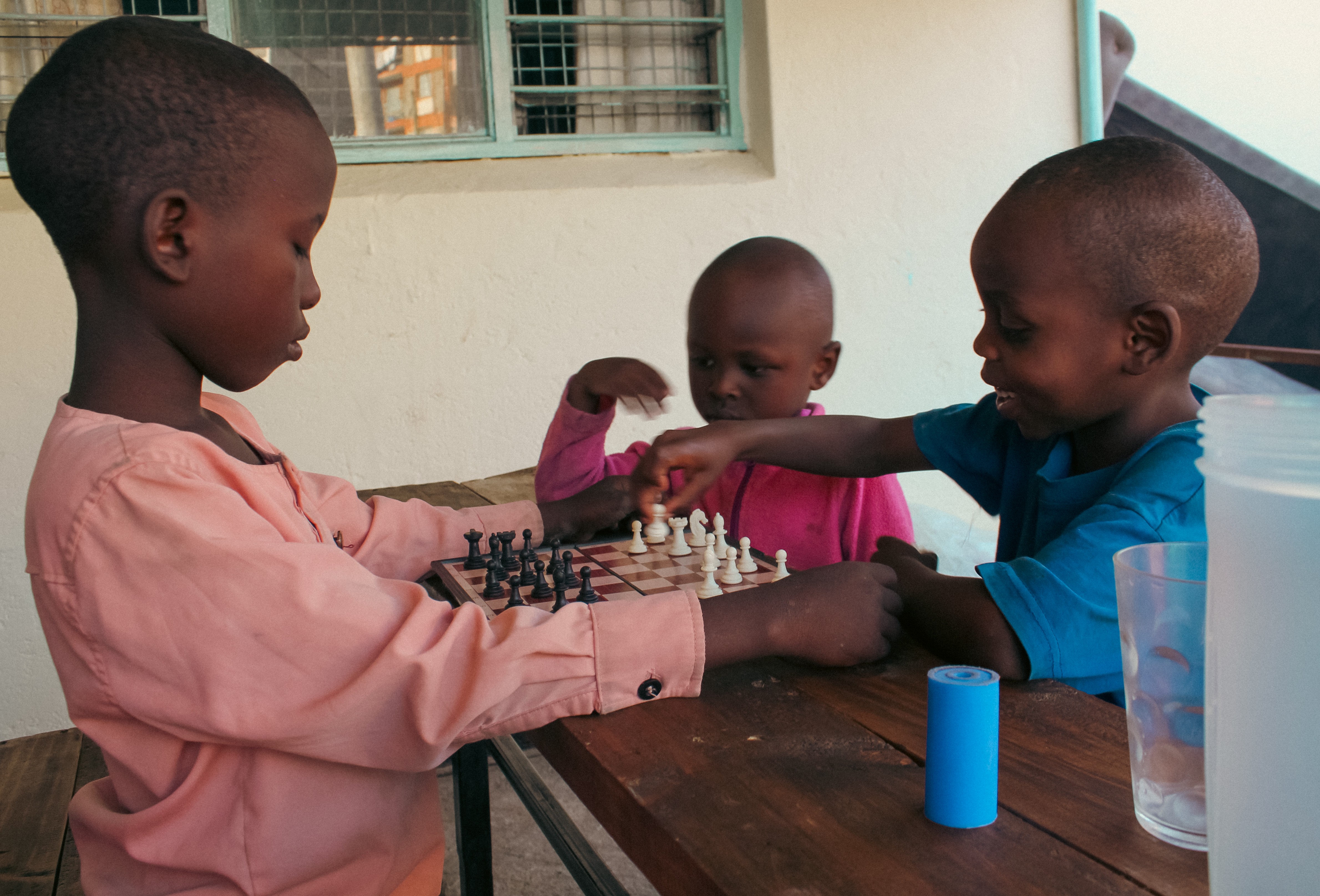
Quiet, focused activities — such as playing chess together — can be especially meaningful. These moments encourage concentration, patience, and a sense of control. For children whose lives have often been shaped by unpredictability, such activities offer a calm and safe space where they can experience mastery, confidence, and trust.
At Mashujaa, we work intentionally with preventive mental health approaches through structured activities. Our Dance Academy and Football Academy are not simply recreational programs; they are key tools for emotional regulation, social connection, and identity building.
Through dance and football, children are given opportunities to:
For many of the children, these programs represent their first experience of succeeding within a safe, supportive, and encouraging community.
While structure, routine, and activity play a crucial role, we also see clearly that many children need additional professional support. Traumatic experiences can have long-term psychological effects, and without appropriate care, these challenges may follow children into adolescence and adulthood.
There is therefore a growing need for:
Early support is not only vital for the individual child, but also for families, communities, and society as a whole.
When children are met with safety, care, and opportunities to develop healthy coping strategies, the impact reaches far beyond the present moment. Improved mental wellbeing strengthens children’s ability to engage in education, build relationships, and move toward independent and meaningful lives.
At Mashujaa in the Making, we work every day to ensure that children are not only protected from harm, but are given the tools, support, and environment they need to thrive. This work is made possible through dedicated staff, volunteers, and supporters who believe in every child’s right to safety, dignity, and belonging.
Welcome to the Mashujaa in the Making Blog – here we share stories of hope, resilience, and community. Follow our latest news, projects, and inspiring moments as we work to empower children and young people in Kenya.
Mashujaa in the Making Norway – Non-profit Community-Based Organization
Org.nr: 935 965 675